
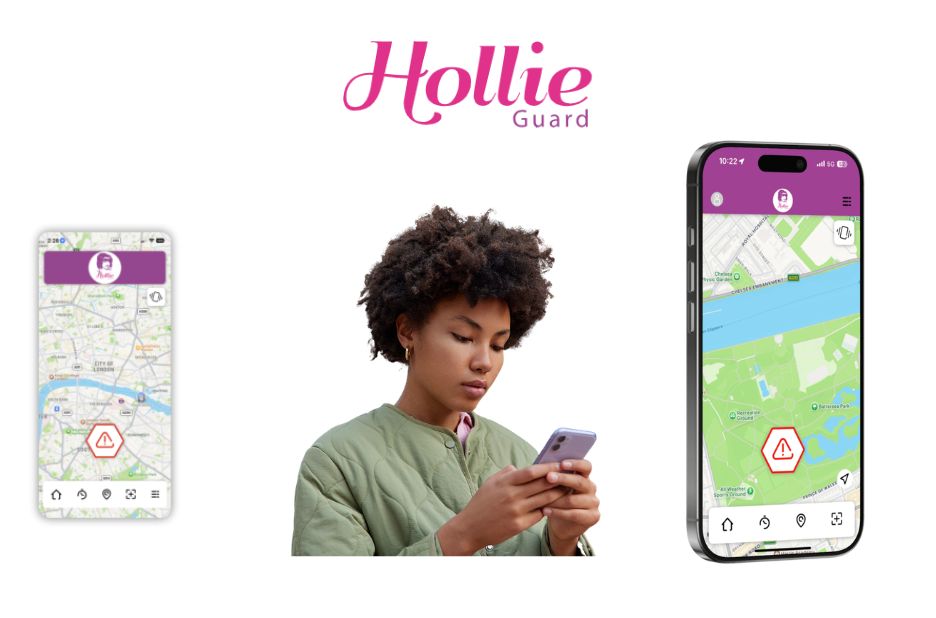
Overview of essential safety tools
In today’s fast paced world, finding a reliable safety solution that works when moments count is crucial. A well designed safety app should integrate quick alert options, clear contact sharing, and intuitive maps to guide you to safety. It helps users stay aware of their surroundings and provides a simple way to notify trusted Police approved alert monitoring app contacts without fumbling through menus. For many people, a robust personal safety routine begins with straightforward setup, easy activation, and dependable performance under pressure. This means practical features that are ready to use the moment you need them, with minimal friction and strong privacy protections.
Why official standards matter for users
Choosing software that aligns with recognized safety protocols offers peace of mind. A Police approved alert monitoring app as a core capability signals that the system has undergone validation for reliability, data handling, and timely responses. Users expect rapid alerts, accurate location data, and personal safety app UK a clear path for escalation if a situation escalates. When you prioritize a trusted app, you also gain access to user education resources, safety tips, and community safety updates that reinforce everyday vigilance without being overly verbose.
Key features to look for in a safety app
First, look for reliable emergency dialing and SOS buttons that trigger direct notifications to pre designated contacts. Real time location sharing, status updates, and battery efficient operation are equally important to ensure the app remains functional during extended outings. A strong user interface matters; it should be easy to customize emergency contacts, set up trusted circles, and access safety tips on the fly. Finally, ensure the app respects your privacy by offering transparent data controls and clear guidance on what information is shared and with whom.
Protective routines for daily life in the UK
In the United Kingdom, a personal safety app UK should adapt to local routes, public transit patterns, and common risk scenarios. The best options provide region aware alerts, community safety networks, and simple reporting tools for suspicious behavior. They empower users to plan safer routes, receive targeted reminders for self defense training, and understand how authorities respond in various situations. Regular updates and responsive support are essential to maintaining confidence in any safety solution, especially when your routine spans work, commuting, and social activities.
How to get started with confidence and ease
Begin by selecting a solution with a clean setup flow, clear on device prompts, and robust help resources. Create a short list of trusted contacts, enable location sharing only during alerts, and tailor notification preferences to avoid alert fatigue. Practice initiating an emergency alert in a low risk setting to ensure everyone knows their role and can respond quickly. As you become familiar with the interface, you’ll notice how the system seamlessly complements personal habits, making safety feel more proactive and less reactive.
Conclusion
Ultimately, the right safety app should be an unobtrusive ally that supports everyday decisions without getting in the way. It offers practical controls, clear guidance, and dependable performance when you need it most. When evaluating options, keep an eye out for solid quality assurance, straightforward setup, and transparent privacy settings. This approach helps ensure you are prepared without becoming overwhelmed by features. Hollie Guard