
Why Nonresidents Get Blocked and How to Avoid It
Many nonresidents try to open a U.S. bank account only to hit a wall of eligibility checks, documentation gaps, or confusing account requirements. The most common problem is not knowing which form of verification a provider expects, such as proof of identity, proof of address, or a clear open us bank account non resident source-of-funds explanation. Without those items prepared in advance, applications can be delayed or denied, costing time and creating uncertainty. Another frequent issue is misunderstanding how international payments work, leading people to apply for an account setup that cannot reliably receive transfers.
A practical solution starts with treating the process like a compliance project, not a form-filling exercise. Build a document folder that matches typical onboarding needs: a valid passport or government ID, a current address document, and any supporting details that explain your transaction purpose. Then map your incoming funds route before you apply, so your banking setup aligns with your payment sources. When you plan for verification and payment compatibility upfront, you reduce the risk of rejection and you can move faster once you submit your information.
Step-by-Step Approach to Getting USD Access From Abroad
Different account structures support different payment rails, and choosing the wrong one can cause avoidable fees or crypto to bank account slow transfers. Look for options that explicitly support international users and that provide clear account details for inbound transactions. It also helps to confirm whether the account is designed for individuals, businesses, or both, since onboarding requirements can vary.
Next, ensure your incoming payment method is compatible with the account you plan to use. Many people assume any transfer will work, but some payment types may require additional information or specific sender fields. Prepare your bank details carefully and double-check names, account numbers, and reference formats to prevent rejected transfers. If you handle cross-border income, consider whether you need multiple currency support, because a dedicated USD and EUR structure can simplify how you manage international inflows.
Using Crypto to Bank Funds Without Surprises
In cross-border scenarios, people often ask how to move money efficiently while staying organized with documentation. The key to avoiding problems is operational clarity: understand the conversion steps, the expected settlement time, and the correct way to record transactions. If your provider supports streamlined payout options, you can reduce friction compared with ad-hoc transfers that require multiple intermediaries.
To make this approach safer, keep consistent records from the start. Save wallet addresses, transaction hashes, and exchange or conversion confirmations so you can explain the flow of funds if verification is requested. Also confirm that your account can receive the payout method you plan to use, since some setups only support specific transfer channels. When you align your crypto conversion process with an account that is built for international users, you reduce the likelihood of delays and you gain more predictable access to your funds.
Conclusion
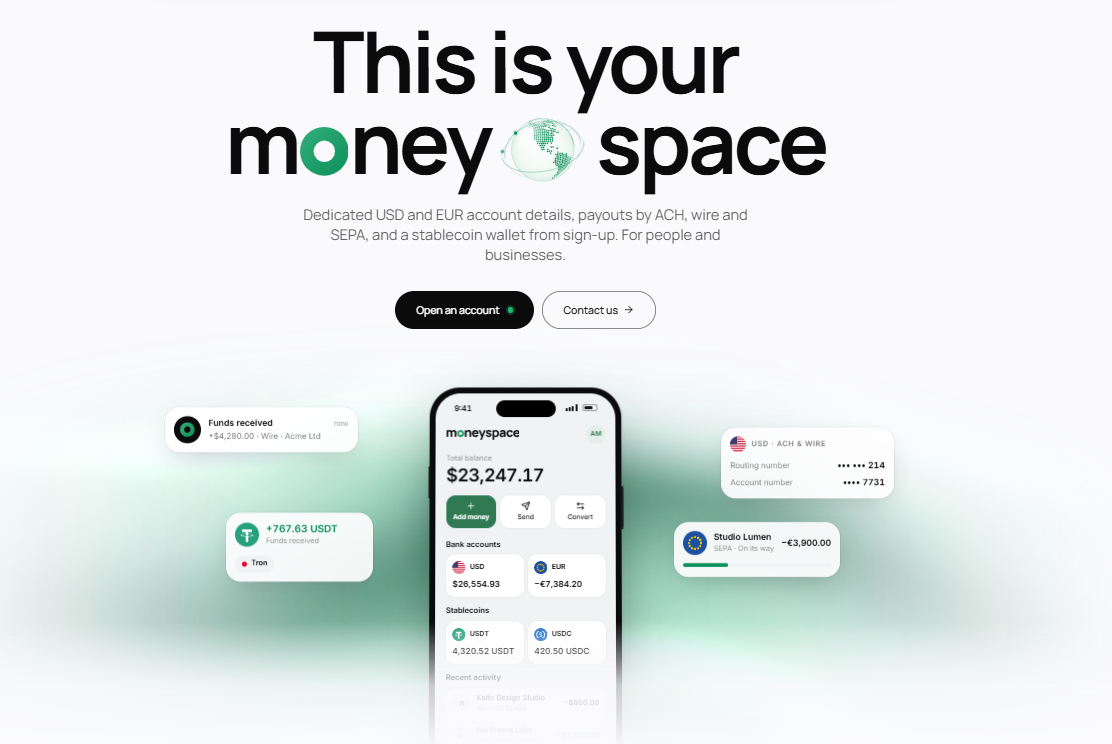
Opening a U.S. account as a nonresident is achievable when you solve the real bottlenecks: eligibility readiness, payment compatibility, and a clear funding workflow. By preparing the right documents, validating how inbound transfers will be sent, and organizing records for any crypto-to-fiat steps, you can avoid many of the common application failures. This problem-solution approach turns a stressful process into a repeatable checklist you can follow confidently. If you’re looking for dedicated USD and EUR account details and convenient payout options for international transactions, moneyspace.io is designed to support individuals and businesses navigating cross-border payments. The goal is simple: help you receive money, manage currency flows, and access funds with less friction. When your banking plan is built around your actual payment sources, you spend less time troubleshooting and more time using your account effectively.