


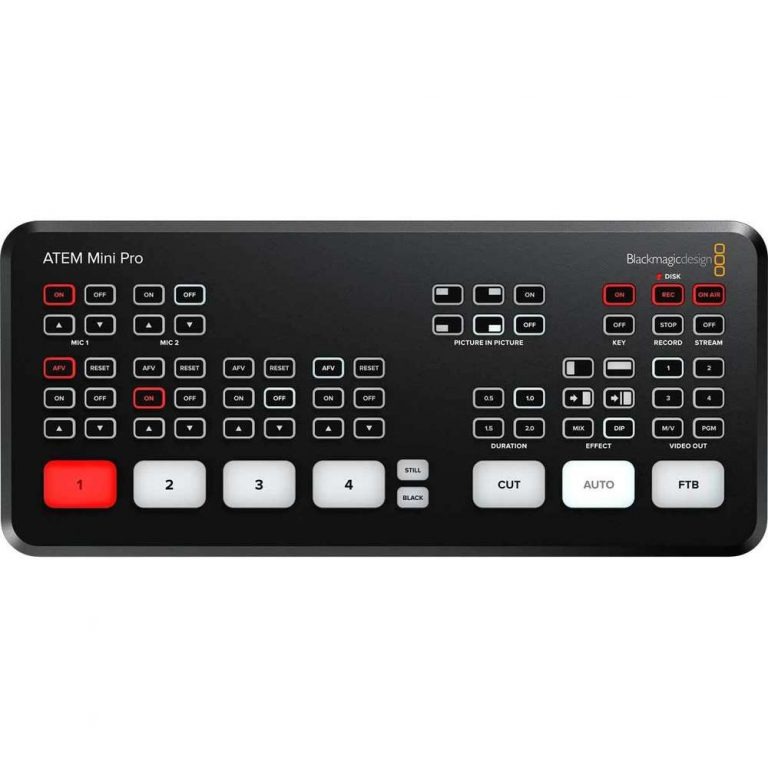
Overview of streaming options
When planning a live stream, organisations look for reliability, ease of use, and scalable features. A practical approach is to compare platforms based on streaming quality, latency, and available tools for interaction with audiences. It helps to map out the goals of the broadcast, who will produce it, live broadcasting platforms and how viewers will access the content. Keeping a checklist handy allows teams to assess whether a platform supports multi‑camera setups, chat moderation, and on‑screen graphics without complicated workarounds. Realistic expectations ensure the final product stays professional and engaging for viewers.
Cost and licensing considerations
Budget matters in choosing a solution that fits both the short term and long term. Consider not just the upfront costs but ongoing licensing, per‑seat fees, and potential add‑ons for analytics, CDN delivery, or storage. Some platforms may offer tiered plans that scale with audience size, while others charge per concurrent stream. Evaluating value for money requires forecasting peak viewership and potential replays, so you aren’t surprised by overage charges when a live event goes viral.
Technical requirements and compatibility
Assessing compatibility across devices and networks is essential for a smooth broadcast. Look for automatic adaptive bitrate streaming, reliable ingest options, and failover routes in case of connectivity issues. Consider whether your chosen solution integrates with existing production gear, such as switchers, microphones, and encoders. Documentation and vendor support play a big role when setup involves multiple teams, enabling swift troubleshooting and efficient handoffs during a live event.
Team roles and workflow efficiency
Effective live streams rely on clear responsibilities and streamlined workflows. Define who manages the streams, who handles comments, and who oversees post‑event analytics. A platform that offers role‑based permissions, simplified publishing pipelines, and canned templates for recurring broadcasts can save time. Training sessions and a short checklist help new operators ramp up quickly, ensuring consistent quality across sessions and reducing last minute stress before air.
Security and audience protection
Security considerations include access controls, encrypted transmission, and robust moderation tools. It is wise to enable two‑factor authentication for key accounts, configure origin protection, and set up automatic alerts for unusual activity. For public streams, a sensible moderation plan helps maintain a respectful environment, while private or paid events may require ticketing and authentication to prevent unauthorised access. Regular reviews of security settings are a best practice for ongoing safety.
Conclusion
In short, selecting the right option hinges on aligning technical capabilities with your organisation’s needs and budget. Prioritise stability, ease of use, and scalable features that support growth while keeping operations simple for your team. Visit Epic production Services for more tips on smooth broadcasts and practical tooling as you explore live broadcasting platforms for future projects.