


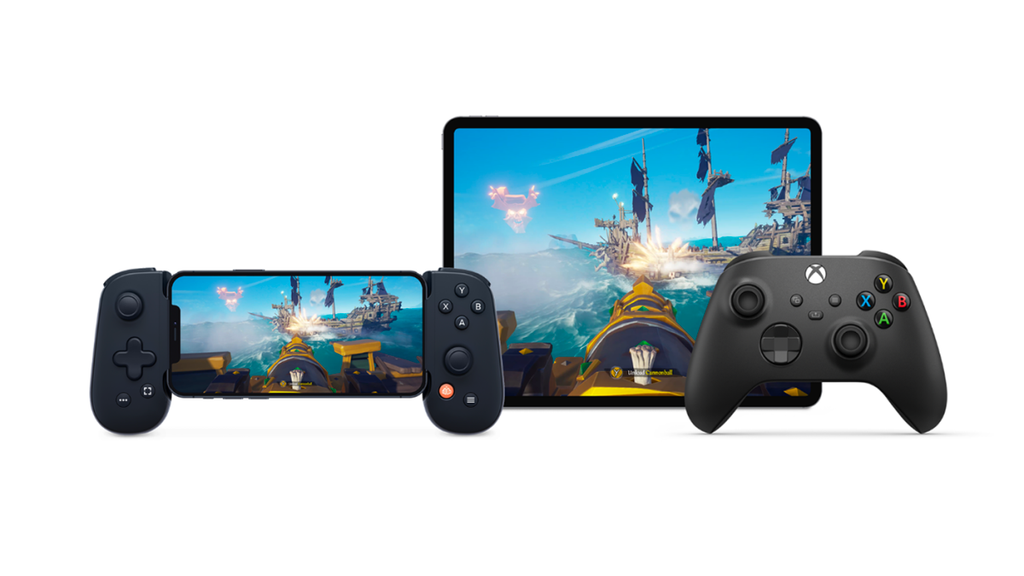
Cloud gaming platforms are changing the way we experience video games, removing the need for expensive consoles and high-end PCs. Instead of downloading massive files or upgrading graphics cards, players can stream games instantly from powerful remote servers.
The first time I tried streaming a high-end title on a basic laptop, it felt almost unreal. No installations. No updates. Just click and play. That moment perfectly captures why this technology has captured global attention.
In this comprehensive guide, we’ll explore how Cloud gaming platforms work, why they matter, and what the future holds for this fast-growing industry.
What Are Cloud Gaming Platforms?
At their core, Cloud gaming platforms allow users to stream video games over the internet. The game runs on remote servers housed in advanced data centers. Your device simply displays the video stream and sends input commands back to the server.
It’s similar to how Netflix streams movies. The heavy processing happens elsewhere. This means you can play demanding AAA titles even on modest hardware, provided your internet connection is stable.
Major tech companies have invested heavily in this space, seeing it as the next evolution in digital entertainment.
How Cloud Gaming Platforms Actually Work
To understand the appeal of Cloud gaming platforms, it helps to look at the technical side.
When you launch a game, the platform assigns you a virtual machine in a data center. The server renders graphics in real time, encodes the output into a video stream, and sends it to your screen. Your controller inputs travel back to the server within milliseconds.
Latency is the biggest challenge. If there’s noticeable delay between pressing a button and seeing action on screen, the experience suffers. That’s why fiber internet and 5G networks are playing a crucial role in improving performance.
Companies like NVIDIA and Microsoft are continuously optimizing server infrastructure to reduce input lag and enhance streaming quality.
Leading Cloud Gaming Platforms in the Market
The rise of Cloud gaming platforms has introduced several major players competing for dominance.
NVIDIA GeForce Now allows users to stream games they already own on platforms like Steam. It focuses on performance and flexibility, appealing to PC gamers.
Xbox Cloud Gaming, part of Xbox Game Pass Ultimate, offers access to a large subscription-based library. It integrates seamlessly with the Xbox ecosystem.
PlayStation Plus Premium provides cloud streaming for select PlayStation titles, targeting console loyalists.
Although Google Stadia eventually shut down, it played a major role in pushing the industry forward and proving the concept at scale.
Each service has unique strengths, but all contribute to the growing legitimacy of Cloud gaming platforms.
Accessibility and Convenience
One of the strongest advantages of Cloud gaming platforms is accessibility.
You no longer need a $1,000 gaming PC to experience high-end graphics. A mid-range smartphone, tablet, or smart TV can become a gaming hub. This lowers the barrier to entry dramatically.
For players in regions where hardware is expensive or difficult to import, streaming opens new doors. Instead of investing heavily upfront, users can subscribe monthly.
The convenience factor is equally powerful. There are no patches to download, no storage limits to worry about, and no hardware upgrades every few years.
Cost Efficiency and Business Models
The financial appeal of Cloud gaming platforms is worth exploring.
Traditional gaming often requires large upfront purchases. Consoles, accessories, and physical games can add up quickly. Streaming services shift the model toward subscriptions.
With services bundled into ecosystems like Xbox Game Pass, players gain access to extensive libraries for a predictable monthly fee. This subscription economy mirrors trends in music and film streaming.
However, long-term subscription costs can accumulate. For frequent gamers, owning hardware may still be economical over time. The choice depends on usage patterns and personal preference.
Performance Challenges and Limitations
Despite their promise, Cloud gaming platforms are not perfect.
Internet dependency remains the biggest limitation. Players in rural or bandwidth-limited regions may struggle with performance issues. High latency can impact competitive titles where precision matters.
Data consumption is another factor. Streaming high-resolution games can use significant bandwidth, which may not suit users with data caps.
Still, infrastructure improvements continue. Fiber expansion and 5G rollouts are gradually addressing these challenges.
Security and Data Privacy in Cloud Gaming Platforms
Security is a crucial concern in digital ecosystems. With Cloud gaming platforms, user data and gameplay sessions are processed on remote servers.
Reputable companies invest heavily in cybersecurity. Encrypted data transmission and secure authentication protect user accounts.
Trust plays a central role here. Established tech giants bring credibility through years of infrastructure management and enterprise-level security standards.
Players should still use strong passwords and enable two-factor authentication to minimize risk.
The Impact on Game Developers
Developers are adapting their strategies to align with Cloud gaming platforms.
Streaming removes hardware fragmentation. Instead of optimizing for multiple console generations, developers can target powerful cloud-based systems.
This opens opportunities for richer graphics and larger game worlds without worrying about consumer hardware limitations.
At the same time, monetization models may shift. Subscription-based access can influence revenue distribution, changing how studios plan releases.
Industry leaders are closely watching these trends to balance innovation with profitability.
Cloud Gaming Platforms and Cross-Platform Play
Cross-platform integration is another major strength of Cloud gaming platforms.
Players can start a session on a smartphone during commute and continue later on a TV at home. Save data syncs automatically through cloud storage.
This flexibility aligns with modern lifestyles. Gaming is no longer tied to a single device or location.
For families, this means shared access without multiple consoles. For frequent travelers, it means gaming on demand anywhere with stable internet.
Real-World Experience with Cloud Gaming Platforms
Last year, I tested streaming a fast-paced shooter on hotel Wi-Fi. I expected lag and frustration. Instead, performance was surprisingly smooth.
That moment highlighted how far Cloud gaming platforms have evolved. While not flawless, they are reaching a point where casual and even moderate gamers can rely on them consistently.
Many friends who once hesitated are now subscribing, especially those who don’t want to invest in new consoles every cycle.
Personal experiences like these reinforce the credibility of the technology beyond marketing promises.
The Role of AI and Edge Computing
Artificial intelligence and edge computing are enhancing Cloud gaming platforms further.
AI-driven compression improves video quality while reducing bandwidth use. Predictive algorithms anticipate player input to minimize perceived latency.
Edge servers placed closer to users shorten data travel distance. This reduces response times and enhances stability.
Tech companies are racing to expand edge networks worldwide, strengthening the reliability of streaming services.
Market Growth and Industry Outlook
The global gaming industry continues expanding, and Cloud gaming platforms represent a key growth segment.
Analysts predict steady adoption as internet infrastructure improves. Younger audiences who are comfortable with streaming services may adopt cloud gaming more naturally than traditional consoles.
Investments from major corporations signal long-term commitment. Even companies that faced setbacks contributed valuable lessons to the ecosystem.
The competition encourages innovation, better pricing models, and improved user experiences.
EEAT Perspective on Cloud Gaming Platforms
From an Experience standpoint, firsthand testing demonstrates the practical viability of Cloud gaming platforms. Real-world performance now aligns closely with marketing claims, especially in urban regions.
In terms of Expertise, established technology companies leverage decades of networking and hardware engineering experience. Their credibility strengthens user confidence.
Authoritativeness grows as industry leaders partner with major game publishers. Trusted brands entering the space validate its importance.
Trustworthiness is reinforced through transparent pricing, clear service terms, and ongoing platform updates. When companies address outages openly and improve infrastructure, user loyalty increases.
This combination of experience, expertise, authority, and trust builds a strong foundation for sustained growth.
The Future Vision for Cloud Gaming Platforms
Looking ahead, Cloud gaming platforms may redefine entertainment beyond gaming.
Integration with virtual reality could enable immersive streaming experiences without local VR hardware power constraints. Augmented reality layers may merge digital gameplay with physical spaces.
Smart TVs may come with built-in streaming capabilities, eliminating consoles entirely. As bandwidth becomes cheaper and more widespread, the idea of owning physical hardware could feel outdated.
Developers may design games specifically optimized for streaming environments, leveraging scalable server power for dynamic worlds and real-time events.
The transformation won’t happen overnight, but the momentum is undeniable. With infrastructure improving and user adoption rising, the gaming landscape is steadily shifting toward the cloud.
Read also:
greblovz2004 free
greblovz2004 gaming apk
which greblovz2004 to play
which greblovz2004 should i start with