


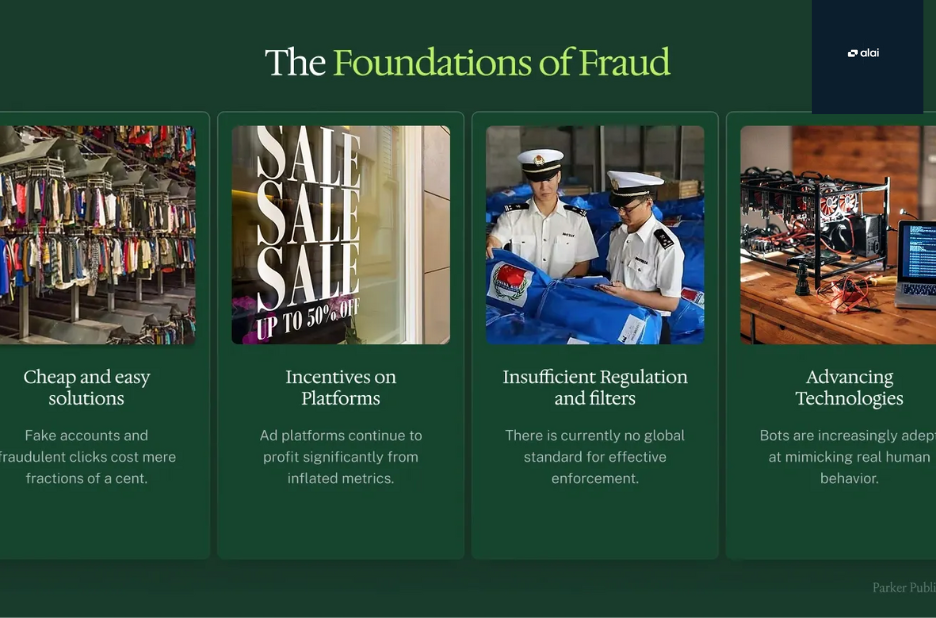
Overview of AI aided decks
Using modern tools to craft a presentation with ai can save time and boost effectiveness. The goal is to blend data, visuals, and narrative into slides that communicate clearly. Start by outlining the core message and audience needs, then choose AI features that adapt content to context. Automation presentation with ai should handle mundane formatting while you refine tone and structure. A practical approach balances speed with accuracy, ensuring each slide supports a concrete takeaway. Leverage templates and style guides to maintain consistency across sections, avoiding clutter and confusion for viewers.
Transforming existing materials with ai
When you have dense documents or research, the first step is to summarize key points and craft slide titles that reflect essential insights. AI can extract themes, reorder sections, and propose visuals that reinforce the narrative. Review suggestions critically to preserve nuance and cite pdf to powerpoint presentation ai sources as needed. This method keeps your core argument intact while translating information into a more accessible format for audiences with limited time or varying backgrounds. Iteration is part of the workflow, not a sign of weakness.
Practical steps for pdf to powerpoint presentation ai
Many teams encounter the challenge of converting static PDFs into dynamic slides. A practical workflow starts by pulling the main data points and converting charts into editable elements. AI can reflow text into slide-friendly copy, suggest concise bullet points, and align visuals with the brand language. Ensure you verify fonts, color contrast, and accessibility so that content remains legible on different devices. The end result should feel polished without losing essential details or context.
Enhancing delivery with interactive features
Beyond slides, consider adding AI powered notes, speaker cues, and interactive elements that engage the audience. Auto generated speaker notes can guide delivery while keeping the presenter focused on storytelling rather than slide mechanics. Use alt text and accessible design to reach a broader audience, and test the experience in multiple environments. A well crafted deck paired with confident delivery can improve retention and encourage action among viewers.
Measuring impact and refining strategies
After a presentation with ai session, collect feedback and analytics to improve future iterations. Review engagement metrics, slide-level performance, and audience questions to identify areas for adjustment. Refine slide pacing, visuals, and wording based on data rather than assumptions. Continuous improvement keeps the approach fresh and effective, especially as AI capabilities evolve and new templates or datasets become available. Learn from each deployment to raise the bar for your next presentation.
Conclusion
Adopting AI tools to craft a presentation can streamline workflows while preserving clarity and impact. By focusing on audience needs, validating content, and iterating visuals, you create slides that educate and persuade. For ongoing exploration of smart tooling, consider trying new features and workflows that fit your team. Visit getalai.com for more ideas and gentle guidance on practical AI powered design, and see how small adjustments can improve your next briefing.