


Understand your event needs
Planning a broadcast requires clarity on the space, audience reach, and production goals. A practical approach starts with identifying the right camera setups, audio capture, and streaming platforms. For venues with varying light, the team should consider lighting balance, color accuracy, and stabilization to prevent jitter. A well-mapped rundown camera hire for live streaming helps align the camera angles, switcher timing, and lower third graphics. By outlining the constraints early, you keep the project lean, reduce on-site delays, and ensure the final stream delivers a professional look that resonates with viewers watching from multiple devices.
Choosing gear for streaming success
When you select gear, prioritize reliability, ease of use, and compatibility with your streaming workflow. A robust camera setup supports high bitrates and smooth autofocus, while audio interfaces capture clean dialogue without interference. Redundancy, such as extra batteries and power solutions, minimizes LED video wall hire the risk of interruptions. In addition, network testing and a dedicated technician on site help maintain a steady signal. A practical setup keeps everyone focused on content while the audience experiences a seamless, distraction-free stream.
Camera and lighting workflows
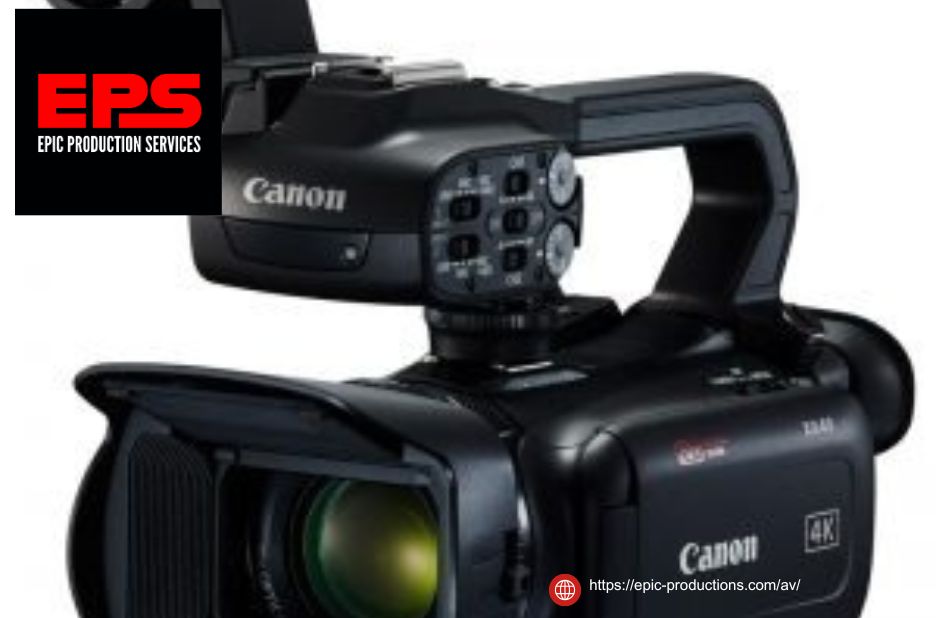
Camera hire for live streaming projects should emphasize flexible configurations for interviews, presentations, and panel talks. Position cameras to capture reactions without obstructing speakers, and coordinate with the lighting plan to avoid harsh shadows. The lighting should flatter skin tones and maintain visibility on face details even as light levels change. A simple, repeatable setup reduces setup time between segments and makes it easier to adjust framing as the event evolves while preserving a natural, engaging look for the audience.
Back-end support and delivery
On-site technical support matters as much as the gear itself. A dedicated operator can manage camera switching, framing, and on-air cues, while a separate audio tech keeps microphones in sync. Reliable internet connections and failover options are essential for uninterrupted streaming. Post‑production notes, including transfer of footage and metadata, help the team repurpose content for social channels. Planning for multiple outputs, such as a live feed and on-site monitors, ensures attendees and remote viewers share a cohesive experience without delays.
Finishing touches for a professional finish
Fine tuning visuals, sounds, and graphics creates a polished broadcast. Color grading and consistent white balance across cameras contribute to a cohesive look, while clean audio levels prevent listener fatigue. A well-designed lower third and on-screen graphics reinforce key messages without overwhelming the viewer. Testing the full chain—from capture to streaming CDN—reduces surprises during the live event. By rehearsing the sequence and confirming equipment readiness, teams deliver a confident, broadcast-quality stream that aligns with brand standards and audience expectations.
Conclusion
With thoughtful planning and reliable gear, producing a live stream becomes a smoother, more predictable process that meets audience expectations while staying on budget and schedule.