


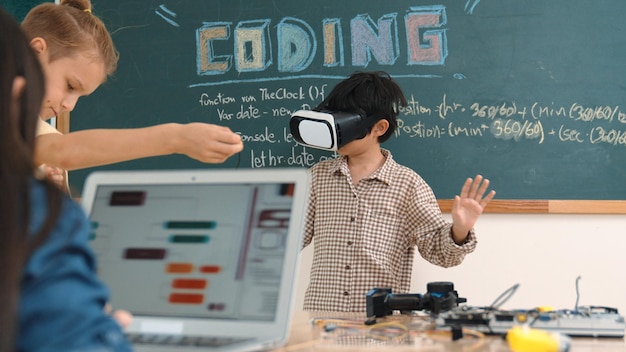
Interactive Learning Techniques are revolutionizing the way students engage with education in modern classrooms. Gone are the days of passive lectures and rote memorization. Today, educators focus on making learning participatory, engaging, and tailored to individual needs. Implementing the right techniques not only boosts retention but also fosters creativity, critical thinking, and collaboration among students.
Research shows that students who actively participate in lessons are more likely to internalize concepts, perform better in assessments, and develop lifelong learning skills. By incorporating interactive learning techniques, teachers create an environment where students become active contributors rather than passive recipients of knowledge.
The Role of Collaborative Learning
One of the most effective interactive learning techniques is collaborative learning. Group projects, peer discussions, and team-based problem-solving exercises encourage students to share ideas, challenge assumptions, and learn from one another.
For example, in a history class, students can work in groups to debate key events, analyze different perspectives, and present their conclusions. This method helps learners develop communication skills and understand multiple viewpoints while reinforcing subject knowledge. Collaborative learning also strengthens social skills, which are essential in both academic and professional settings.
Gamification in Education
Gamification is another powerful interactive learning technique gaining popularity. By integrating game elements such as points, leaderboards, and rewards into lessons, educators make learning fun and motivating. Gamified activities can include quizzes, competitions, or interactive simulations.
A real-life example comes from a mathematics class where students solve puzzles and challenges to earn points. This approach transforms abstract concepts into engaging exercises, increases participation, and improves retention. Gamification encourages a healthy sense of competition and promotes continuous learning.
Using Technology to Enhance Interaction
Modern classrooms heavily rely on technology to implement interactive learning techniques effectively. Tools such as smartboards, educational apps, virtual simulations, and online discussion platforms provide dynamic ways for students to engage with content.
For instance, science students can perform virtual experiments using simulation software, allowing them to visualize complex processes without the constraints of a physical lab. Similarly, language learners can practice conversations through interactive apps, receiving immediate feedback to improve fluency. Technology ensures learning is accessible, adaptable, and tailored to individual progress.
Socratic Method and Critical Thinking
The Socratic method is a time-tested interactive learning technique that emphasizes questioning and dialogue. Teachers ask thought-provoking questions, encouraging students to analyze, evaluate, and justify their responses. This technique nurtures critical thinking and deeper understanding.
In practice, a teacher might present a problem and guide students to explore possible solutions through discussion rather than providing answers directly. This encourages students to think independently, develop reasoning skills, and articulate ideas clearly. Over time, learners trained in this manner become more confident and analytical in their approach to challenges.
Experiential Learning and Hands-On Activities
Experiential learning is a cornerstone of interactive learning techniques. Hands-on activities, field trips, and real-world projects help students connect theory to practice. Learning by doing allows students to internalize concepts and understand their practical applications.
For example, a business class might involve creating a mock startup, where students manage tasks such as marketing, finance, and product development. Experiential learning fosters problem-solving, creativity, and decision-making skills. It also encourages students to take initiative, collaborate with peers, and adapt to dynamic scenarios.
Continuous Feedback and Assessment
Effective interactive learning techniques incorporate continuous feedback. Formative assessments, peer reviews, and teacher-student interactions help learners track progress and identify areas for improvement.
Regular feedback not only clarifies misunderstandings but also motivates students to improve. Tools like interactive quizzes, digital assessments, and real-time polling allow educators to gauge comprehension instantly. This creates a responsive learning environment where students can actively adjust their approach and stay engaged throughout the course.
Case Studies of Successful Implementation
Several educational institutions have successfully integrated interactive learning techniques into their classrooms. Schools using project-based learning report higher student engagement and improved problem-solving abilities. Universities implementing technology-driven interactive lessons see better comprehension and higher retention rates among students.
These examples demonstrate that interactive approaches are not just trends but effective strategies to enhance learning outcomes. Students exposed to such methods often exhibit greater confidence, motivation, and academic achievement.
Tailoring Techniques to Learning Styles
Not all students learn the same way, and successful interactive learning techniques account for diverse learning styles. Visual learners benefit from diagrams and videos, auditory learners from discussions and lectures, and kinesthetic learners from hands-on activities.
Teachers who adapt interactive strategies to individual needs ensure that every student remains engaged. Personalizing learning experiences increases participation, strengthens understanding, and fosters a positive classroom environment.
Read also:
gimkit join
gimkit com/join
gimkit.con/join
gimkit.com join
afghanistan national cricket team vs england cricket team timeline
afghanistan national cricket team vs england cricket team standings
south africa national cricket team vs pakistan national cricket team match scorecard