
pencil shading techniques are the foundation of realistic artwork, depth, and visual impact. Whether you are a beginner exploring sketching or an intermediate artist improving your skills, understanding shading transforms flat drawings into lifelike compositions.
Shading is not just about dark and light areas. It is about observing how light interacts with objects. When applied correctly, shading adds dimension, texture, and emotion to artwork.
As someone who has worked with students and hobby artists for years, I’ve seen how mastering shading can dramatically improve confidence and drawing quality. Let’s explore practical methods grounded in experience and professional principles.
Table of Contents
ToggleUnderstanding Light Before Learning pencil shading techniques
Before applying shading, it is essential to understand light. Light determines where shadows appear and how dark they should be.
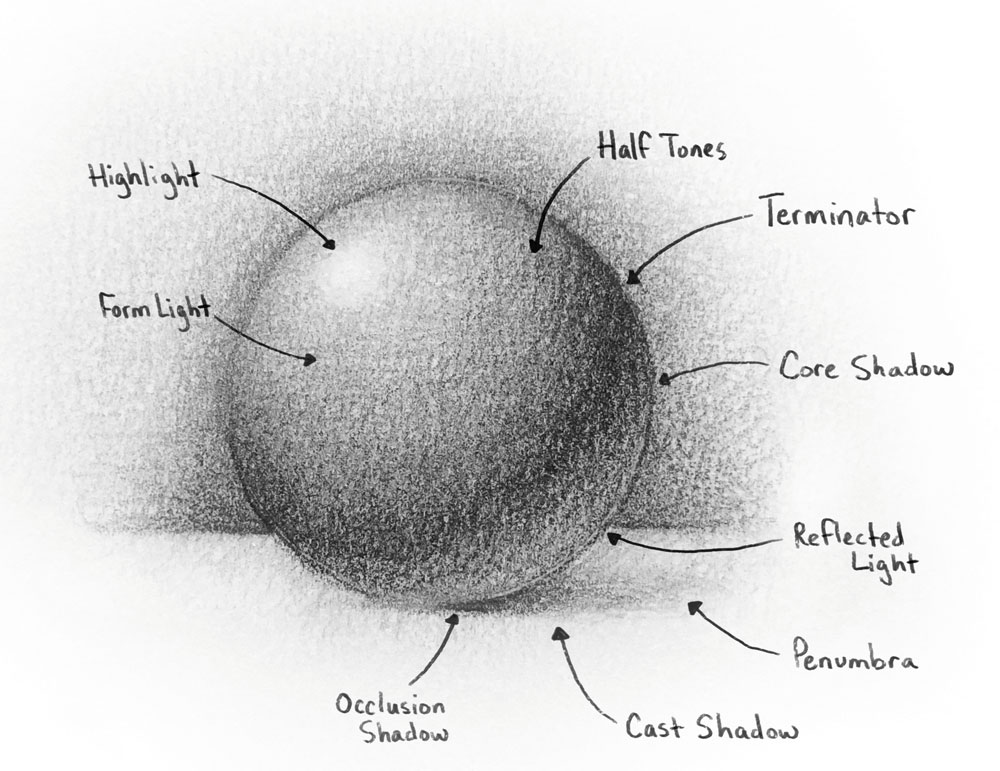
Every object has three main areas: highlight, midtone, and shadow. The highlight is the brightest part. The shadow is the darkest. The midtone lies between them.
When beginners skip light observation, shading appears unrealistic. That is why professionals always study the light source first.
In real life, try placing a simple object like a ball under a lamp. Observe how the light creates gradual transitions. This observation builds the foundation for effective shading.
Strong pencil shading techniques begin with understanding light direction and intensity.
Choosing the Right Materials for Better Results
Quality tools improve control, though skill remains the most important factor. Pencils come in different grades ranging from hard to soft.
Hard pencils create lighter marks. Soft pencils produce darker tones. Using a combination allows smoother transitions.
Paper texture also matters. Smooth paper works well for fine details, while textured paper enhances tonal depth.
A good eraser helps create highlights. Many artists use kneaded erasers because they allow gentle corrections without damaging paper.
Professional practice in shading often includes experimenting with materials to understand how they affect results.
Basic pencil shading techniques Every Artist Should Learn
There are several fundamental shading methods that form the basis of advanced work.
One common method is hatching. This technique uses parallel lines to create tone. The closer the lines, the darker the area appears.
Cross-hatching builds on this by layering lines in different directions. This increases depth and contrast.
Blending is another important method. It smooths transitions between light and dark areas. However, blending should be used carefully to avoid over-smudging.
Understanding these core methods strengthens overall drawing control and helps develop structured pencil shading techniques.
Pressure Control and Layering for Realistic Effects
One of the most important skills in shading is controlling pencil pressure. Light pressure creates soft tones. Heavy pressure creates darker values.
Instead of pressing hard immediately, build tone gradually using layers. This approach gives more flexibility.
Layering also prevents paper damage. When tones are developed slowly, transitions appear more natural.
Professional artists often apply multiple light layers instead of one heavy stroke. This technique improves texture and realism.
Consistent pressure control is essential when practicing advanced pencil shading techniques.
Creating Smooth Gradients Step by Step
Gradients are smooth transitions from light to dark. They are essential in realistic drawings.
Start with light strokes using minimal pressure. Gradually increase tone by layering additional marks.
Avoid abrupt changes between shades. The transition should appear seamless.
Practice by drawing simple shapes like spheres or cylinders. These forms help you understand how shading wraps around objects.
Gradients are a practical exercise in mastering pencil shading techniques effectively.
Shading for Realistic Forms and Depth
Flat shapes become three-dimensional with proper shading. To achieve realism, observe how shadows follow the structure of objects.
For example, when shading a sphere, the shadow curves naturally around its surface. This curvature must be reflected in pencil strokes.
Similarly, cylindrical objects require directional shading that follows their shape.
Understanding structure is critical. Without it, shading may look decorative instead of realistic.
Many art educators emphasize form-based learning when teaching pencil shading techniques to beginners.
Texture Creation Through Shading
Different surfaces require different shading styles. Skin, metal, fabric, and wood each reflect light uniquely.
Smooth surfaces need soft gradients. Rough textures require visible strokes.
For example, wood grain can be suggested using controlled line direction. Fabric folds require careful observation of shadow placement.
Texture adds character to drawings. It enhances realism and emotional impact.
Advanced artists refine their texture skills through consistent practice of pencil shading techniques in varied subjects.
Common Mistakes in Shading and How to Avoid Them
A frequent mistake is using too much pressure too early. This limits flexibility and makes corrections difficult.
Another common issue is ignoring the light source. Without consistency in lighting, shadows appear random.
Beginners sometimes over-blend, which removes texture. Controlled blending is better than excessive smudging.
Avoid rushing the process. Shading requires patience and observation.
Developing awareness of these mistakes strengthens your understanding of professional pencil shading techniques.
Building Contrast for Visual Impact
Contrast refers to the difference between light and dark areas. Strong contrast creates dramatic effects.
However, contrast should match the subject. Subtle objects require gentle transitions. High-impact compositions may benefit from bold shadows.
Balancing contrast improves composition quality. It guides the viewer’s eye toward focal points.
Experienced artists use contrast intentionally rather than randomly.
When applied thoughtfully, contrast enhances the effectiveness of pencil shading techniques significantly.
Using Shading to Show Emotion and Mood
Shading is not only technical. It also influences emotional tone.
Dark shading can create mystery or intensity. Soft shading can produce calm and serenity.
Artistic expression becomes stronger when shading supports the story behind the drawing.
For example, portrait shading can highlight facial features and mood. Landscape shading can create atmosphere and depth.
Understanding emotional impact adds creative depth to pencil shading techniques.
Practical Exercise Routine for Improvement
Improvement requires consistent practice. Dedicate time daily to small exercises.
Begin with basic shapes like cubes and spheres. Focus on smooth gradients and light observation.
Gradually move to complex objects such as portraits or still-life compositions.
Review your work critically. Compare early sketches with newer ones to track improvement.
Regular practice strengthens confidence and refines pencil shading techniques naturally over time.
Observational Skills and Real-Life Application
Observation is the key to realistic shading. Study how light behaves in your environment.
Look at objects near a window. Notice how shadows change during different times of day.
Try sketching from real objects instead of relying only on imagination.
Real-world observation builds stronger artistic awareness. This habit enhances shading precision and accuracy.
Many professional artists credit observation as the most important part of mastering pencil shading techniques.
Advanced Tips for Developing Professional Quality
As your skills improve, experiment with tonal range. Use very light values alongside deep shadows.
Avoid leaving paper untouched in shaded areas unless it represents highlights.
Work slowly and evaluate your progress at each stage.
Keep a separate sketchbook dedicated to shading practice. This allows focused improvement without pressure.
Advanced refinement comes from repetition and patience in applying pencil shading techniques consistently.
Combining Shading with Composition
Shading should support overall composition. It helps direct attention and creates balance.
Focal areas often contain stronger contrast. Background elements usually have softer shading.
This hierarchy improves clarity in artwork.
When planning a drawing, think about where light will fall before starting.
Strategic planning enhances the overall impact of pencil shading techniques in completed artwork.
Developing Confidence Through Gradual Progress
Confidence grows with visible improvement. Do not expect perfection in early stages.
Celebrate small achievements, such as smoother gradients or better shadow placement.
Progress takes time. Even experienced artists continue practicing shading fundamentals.
Consistency leads to mastery.
When approached with dedication, pencil shading techniques become a powerful skill that enhances every drawing style.
Professional Perspective on Shading Practice
From an educational standpoint, shading develops hand control, visual sensitivity, and patience.
It also strengthens understanding of value relationships, which are essential in realistic art.
Many art institutions emphasize tonal exercises as part of foundational training.
Structured learning combined with observation creates sustainable improvement.
Applying these principles ensures long-term growth in pencil shading techniques and overall artistic ability.
Encouraging Continuous Artistic Growth
Art development is a journey. Shading skills improve gradually with experience and experimentation.
Explore different subjects such as portraits, objects, and landscapes.
Experiment with light sources and compositions to understand tonal variation.
Stay curious and observe the world around you.
With commitment and practice, mastery of pencil shading techniques becomes an achievable goal supported by discipline and creativity.
Read also:
3474915137
9295022100
hulk coloring pages
kuromi coloring
8669855503