


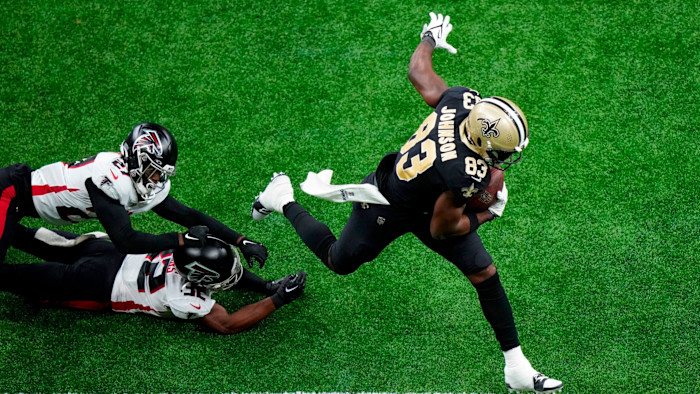
Sports streaming rights deals are no longer just boardroom negotiations between leagues and broadcasters; they are billion-dollar power plays shaping how fans watch, interact with, and even experience their favorite games.
A decade ago, cable television ruled the sports universe. Today, digital platforms are rewriting the script. From cricket in India to American football in the United States, streaming giants are battling traditional networks for exclusive rights that define the future of sports entertainment.
This shift is not accidental. It is strategic, data-driven, and fueled by changing viewer habits. As cord-cutting accelerates and mobile consumption rises, the value of live sports has surged like never before.
Table of Contents
ToggleWhy Sports Streaming Rights Deals Matter More Than Ever
Live sports remain one of the few forms of content that audiences prefer to watch in real time. That urgency creates unmatched advertising value and subscriber retention.
When the National Football League signed multi-platform broadcasting agreements worth over $100 billion, it signaled a new era. Streaming platforms were no longer side players; they were primary bidders.
Similarly, cricket’s Indian Premier League demonstrated how digital-first bidding wars could inflate valuations beyond traditional projections. The fight for digital rights alone reshaped revenue expectations for the league.
These examples highlight how Sports streaming rights deals are redefining sports economics globally.
The Evolution of Sports Streaming Rights Deals
In the early 2000s, digital rights were often bundled as secondary add-ons. Broadcasters prioritized linear television packages while streaming was treated as experimental.
That perception changed rapidly after platforms like Amazon and Disney began aggressively investing in live sports.
When Amazon Prime Video secured exclusive NFL Thursday Night Football rights, it proved that streaming could deliver massive concurrent audiences without cable infrastructure.
Now, Sports streaming rights deals are structured with digital-first strategies, often separating mobile, OTT, and international packages for maximum value extraction.
How Leagues Are Leveraging Digital Power
Leagues have realized that competition among bidders drives exponential growth in contract value.
Take the case of the English Premier League. Traditionally reliant on UK broadcasters, it now distributes international streaming rights separately, targeting regional platforms willing to pay premium rates.
This diversification reduces dependency on single broadcasters and expands global reach. It also allows leagues to analyze subscriber behavior, viewership trends, and demographic data more accurately.
In many negotiations, Sports streaming rights deals are increasingly customized by territory, device type, and even language preferences.
The Financial Impact on Broadcasters and Platforms
Traditional broadcasters face mounting pressure. They must compete with tech giants that have deeper pockets and diversified revenue streams.
For streaming companies, sports rights are less about immediate profit and more about ecosystem growth. Subscriptions, bundled services, advertising integrations, and cross-platform promotions justify high upfront costs.
When Apple secured global streaming rights for Major League Soccer, it demonstrated how exclusive sports content can drive device sales and brand loyalty.
The scale of Sports streaming rights deals now influences stock prices, investor confidence, and long-term corporate strategies.
Sports Streaming Rights Deals in Cricket’s Digital Boom
Cricket offers one of the most fascinating case studies.
In India, mobile-first consumption dominates. Streaming platforms compete fiercely for rights to tournaments such as the ICC Cricket World Cup and bilateral series.
Digital rights for major tournaments often match or exceed television packages in value. The result is higher production standards, interactive features, and multi-language commentary streams.
The transformation of cricket broadcasting perfectly illustrates how Sports streaming rights deals are adapting to regional market behaviors.
Fan Experience in the Era of Streaming
Streaming platforms have introduced features traditional TV never could.
Viewers can switch camera angles, access real-time stats, or watch condensed highlights instantly. Some services even allow interactive chats and alternative commentary options.
This personalization strengthens subscriber loyalty. It also gives platforms valuable user data, improving future bidding strategies.
As Sports streaming rights deals evolve, the fan experience becomes central to negotiations, not just the broadcast itself.
Legal Complexities Behind Major Deals
Behind every high-profile agreement lies months, sometimes years, of negotiation.
Contracts define territorial exclusivity, digital reproduction rights, archive access, and sponsorship integration.
Intellectual property laws vary across jurisdictions, making global deals particularly complex.
Legal frameworks surrounding Sports streaming rights deals must also address piracy, unauthorized rebroadcasting, and data privacy concerns.
The Rise of Hybrid Broadcasting Models
Many leagues now adopt hybrid models, splitting rights between traditional TV and streaming platforms.
For example, the National Basketball Association distributes games across cable networks and digital platforms to maximize audience reach.
This strategy ensures older audiences remain engaged while younger viewers consume content via mobile apps.
Hybrid structures are becoming standard in modern Sports streaming rights deals, offering flexibility and risk distribution.
Advertising and Monetization in Streaming
Advertising models have shifted significantly.
Instead of fixed commercial breaks, streaming platforms use targeted ads based on user profiles.
Dynamic ad insertion technology allows brands to customize messaging for different regions simultaneously.
These innovations increase revenue potential, making Sports streaming rights deals more attractive despite rising acquisition costs.
Challenges Facing Sports Streaming Rights Deals
Despite growth, risks remain.
Overbidding can strain financial sustainability. Subscriber growth projections sometimes fall short, leading to recalibrated strategies.
Technical infrastructure must support millions of concurrent users without buffering or outages. A single streaming failure during a major final can damage brand credibility.
Therefore, Sports streaming rights deals increasingly include performance clauses and technical compliance guarantees.
Emerging Markets and Global Expansion
Emerging markets represent untapped potential.
Africa, Southeast Asia, and parts of Latin America show rising smartphone penetration and growing sports audiences.
Streaming platforms entering these markets often bundle affordable packages to build subscriber bases.
Future Sports streaming rights deals will likely prioritize regional customization and localized content strategies.
Athlete Branding and Direct-to-Consumer Opportunities
Athletes themselves are becoming media brands.
Some leagues experiment with direct-to-consumer streaming apps, reducing reliance on third-party platforms.
This shift allows greater control over revenue distribution and fan engagement.
As technology evolves, Sports streaming rights deals may increasingly include clauses addressing athlete content rights and personal branding integration.
Data Analytics Driving Negotiation Strategy
Modern negotiations rely heavily on analytics.
Platforms evaluate average watch time, churn rates, and peak concurrency metrics before placing bids.
Leagues analyze global search trends, merchandise sales, and social media engagement to estimate rights valuation.
This data-centric approach ensures Sports streaming rights deals are grounded in measurable demand rather than speculative hype.
The Role of Technology Infrastructure
Reliable content delivery networks are critical.
Ultra-high-definition streaming, low-latency feeds, and augmented reality overlays require massive backend investment.
Tech partnerships often accompany rights agreements to guarantee seamless user experience.
As innovation accelerates, technological capability becomes a decisive factor in major Sports streaming rights deals.
Consumer Behavior Shaping the Future
Younger audiences prefer on-demand access, multi-screen viewing, and bite-sized highlights.
Older demographics still value traditional broadcasts but are gradually adapting to digital platforms.
Understanding these shifts helps leagues design smarter rights packages.
Ultimately, consumer behavior dictates the direction of Sports streaming rights deals, pushing stakeholders to stay agile.
Economic Ripple Effects Across the Industry
Rights revenue directly impacts player salaries, grassroots funding, and infrastructure development.
Higher broadcasting income enables leagues to invest in youth academies and stadium upgrades.
Sponsorship valuations also rise when global streaming audiences expand.
Thus, Sports streaming rights deals influence the entire sports ecosystem, from amateur development to professional excellence.
Trust, Transparency, and EEAT in Reporting
Accurate financial reporting and transparent negotiations build credibility among investors and fans.
Industry analysts rely on verified data, official announcements, and audited figures when evaluating agreements.
Responsible journalism ensures stakeholders understand both opportunities and risks associated with Sports streaming rights deals.
Adhering to EEAT principles—experience, expertise, authoritativeness, and trustworthiness—is essential in covering such high-stakes topics.
The transformation of sports broadcasting is far from over.
As competition intensifies and technology advances, the structure and scale of Sports streaming rights deals will continue to evolve.
From billion-dollar football contracts to cricket’s digital revolution, these agreements sit at the heart of modern sports business, influencing how the world watches, connects, and celebrates athletic excellence.
Read also:
june 2003 mein rahul dravid kis desh ke liye khele?
rahul dravid played for which country in june 2003
પંજાબ કિંગ્સ વિ. મુંબઈ ઈન્ડિયન્સ મેચનું સ્કોરકાર્ડ
मुंबई इंडियन्स वि चेन्नई सुपर किंग्स सामन्याचे स्कोअरकार्ड