


Originally released more than twenty years ago, The Matrix has grown to be a major movie in cinematic history as its philosophical ideas and innovative imagery transformed the action and sci-fi genres. Let’s delve deeply into the universe of The Matrix, investigating its beginnings, cast, settings, and ongoing effects on popular culture and movies.
Date of Release
When The Matrix first debuted on March 31, 1999, technology and the internet were quickly altering daily life. This moment was perfect since the movie examined a virtual world in line with growing concerns about the function of technology in human life. Published right before the new century, The Matrix caught imaginations all around by appealing to cultural fears and curiosity.
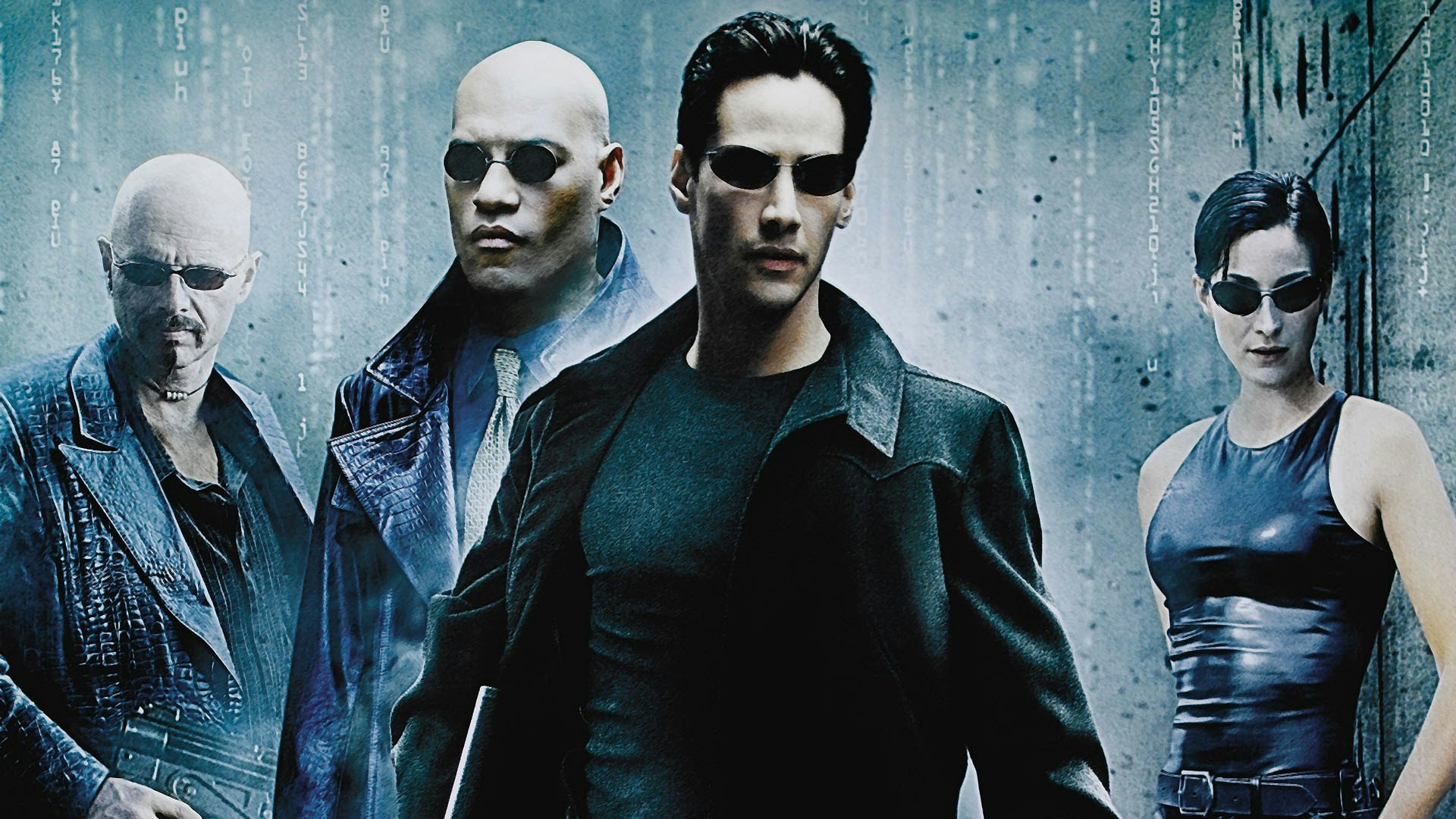

Synopsis and Subjects:
Set in a dystopian future, The Matrix centers on Thomas Anderson, a software programmer by day and a hacker called Neo by night. Neo is pulled into a covert conflict against sentient computers that enslaves people in a virtual environment known as the Matrix by gathering energy from humans The path reveals a philosophical investigation of control, free will, and reality. Combining bits of cyberpunk, philosophy, martial arts, Western science fiction, the movie asks, “What is real?”
Staff and Cast & Crew
The Matrix features an amazing ensemble, each of which gave their parts special realism and depth:
- Keanu Reeves as Neo (Thomas Anderson): The lead protagonist, Reeves’s subdued, brooding hero performance has been legendary. Reeves’s dedication to learning martial arts for the part brought him praise and confirmed his position in action movie history.
- Morpheus, Laurence Fishburne: He is the leader of the resistance who guides Neo and embarks hope and belief. It is because of such strong presence that a character like Morpheus was so respected.
- Carrie-Anne Moss as Trinity: Moss acted as a remarkable and deeply devoted warrior to revive and challenge the female action roles in film.
- Agent Smith by Hugo Weaving: Chilling brilliance describes the concepts of control and tyranny. Hugo Weaving turned Agent Smith into a fearsome precision-precision main antagonist as mechanistic as the system he serves.
Wachowski Brothers: The screenplay and direction for The Matrix come from the minds of the Wachowski Brothers, whose inventive storytelling and panoramic vision are alone in the filmmaking world. The Wachowskis put it all out on the table with The Matrix taking bold creative chances that paid rich dividends by layering philosophy with high-octane action and visual innovations never before seen. Their film defied the envelope of what could be accomplished within the realms of science fiction action.
Visual Effects and Cinematography: The Matrix was an iconic movie that presented new, revolutionary visual effects, not to say the “bullet-dodging” slow-motion sequences which are very symbolic with the franchise. Cinematographer Bill Pope’s work showed good resourcefulness in coming up with inventive angles and light schemes to capture that surreal, cybernetic aesthetic of the film.
Locations for Filming:
The Matrix was mostly filmed in Sydney, Australia. The architecture of the city complemented the gloomy attitude of the movie by offering a mix of modern and sometimes bizarre sensibilitiesae. Important scenes were filmed in several identifiable sites, including Martin Place and the adjacent core business area. Along with helping to keep production expenses under control, this site option gave The Matrix a distinctive appearance that distinguished it from other Hollywood-based projects.


Financial Insights
Given an estimated $63 million production budget, The Matrix was seen as a high-stakes endeavor—especially given its period. But the film’s amazing visual effects and strong emphasis on realistic action meant that a good amount of the budget went toward building an immersive and plausible simulated world.
The Wachowski concept called for advanced CGI, bespoke made rigs, and a rigorous post-production procedure. For example, the expensive but worthwhile “bullet time” method, which used an array of cameras to record 360-degree viewpoints, entailed The film’s worldwide box office receipts, over $460 million, more than justified the budget despite the great expenses, therefore making The Matrix a financial success.
Cultural and Legacy Effects
The Matrix took itself from being a movie and turned into a social movement instead of just entertainment value per se. Its themes had ideologies surrounding reality and technology, as well as man’s relation with robots that particularly resonate today in an AI-driven world. Deeply rooted in the philosophical minds of Plato, Descartes, and Baudrillard, the movie has managed to stay relevant over the years. From hundreds of movies and TV shows to fashion designs, the influence of The Matrix is staggering.
It also inspired two sequels, The Matrix Reloaded and The Matrix Revolutions, a fourth episode, The Matrix Resurrections, and many extensions of media including The Animatrix, comics, and video games, which has extended the universe built around the intricate storyline.
Last Notes
The Matrix is a remarkable blend of imaginative storytelling and technological innovation that prompts viewers to rethink reality; it transcends the boundaries of a typical film. The Wachowski brothers crafted a unique cinematic experience by merging thrilling action sequences with profound philosophical themes. As technology evolves, The Matrix encourages us to question our surroundings and seek the truth, serving both as a cautionary tale and a cultural landmark.