


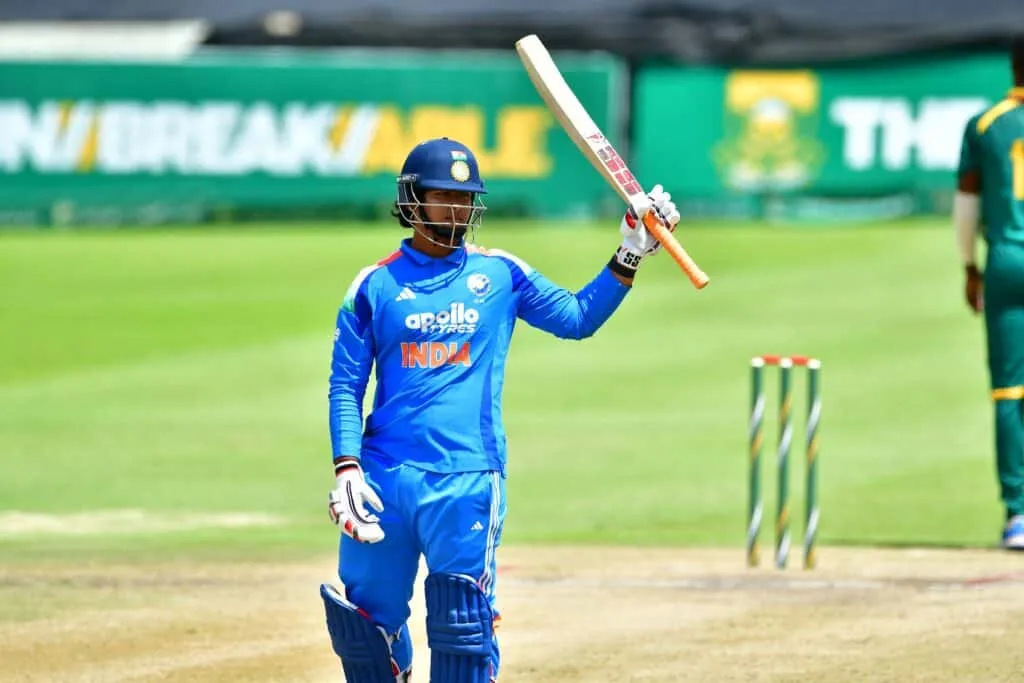
Youngest players in international cricket have always fascinated fans because they represent raw talent meeting the highest level of pressure. Imagine walking into a packed stadium at 16 or 17 years old, facing seasoned professionals, and knowing millions are watching your every move.
It sounds overwhelming, yet cricket history is filled with teenagers who not only debuted early but thrived.
International cricket, governed globally by the International Cricket Council, demands elite skill, mental toughness, and physical endurance. When selectors hand a debut cap to a teenager, it signals extraordinary belief in potential.
That belief often shapes careers and, sometimes, the future of the sport.
Why Teams Pick the Youngest Players in International Cricket
Selecting teenagers isn’t just about headlines. It’s about long-term vision.
National teams invest in youth when they see exceptional technical ability combined with temperament. Early exposure helps players gain experience that compounds over years.
In modern cricket, packed schedules and multiple formats mean teams look for adaptable athletes. That’s one reason why Youngest players in international cricket often come from strong youth systems and under-19 programs.
Early debuts can accelerate learning curves dramatically.
Sachin Tendulkar: The Teenage Prodigy
When Sachin Tendulkar made his Test debut for India at just 16 years old in 1989, few could predict the scale of his future achievements.
Facing Pakistan’s formidable bowling attack, including Waqar Younis and Wasim Akram, the teenager showed remarkable composure.
Tendulkar’s journey remains one of the most iconic examples of the Youngest players in international cricket making a lasting impact.
His story inspired generations of aspiring cricketers worldwide.
Hasan Raza and Record-Breaking Debut
Hasan Raza is often cited among the youngest Test debutants in history. Reportedly just 14 at the time of his debut for Pakistan, his selection sparked global attention.
Although his international career did not reach legendary heights, his early appearance remains a historic milestone.
Stories like his highlight how the label of Youngest players in international cricket carries both excitement and immense expectation.
Youthful debuts can be thrilling, but sustaining success requires resilience.
Women’s Cricket and Teenage Trailblazers
The narrative of early debuts is equally powerful in women’s cricket.
Mithali Raj debuted as a teenager and went on to become one of the most respected names in the women’s game. Her calm presence at the crease redefined India’s batting strength.
Women’s cricket has produced several teenage stars who matured into global icons.
These stories broaden the legacy of the Youngest players in international cricket, proving that age is no barrier to excellence.
Modern Examples in the T20 Era
The T20 format has created opportunities for younger athletes to break into national squads faster.
Fast reflexes, fearless batting, and athletic fielding often align with youth. Leagues like the Indian Premier League have become stepping stones for teenage prodigies.
Strong performances in franchise tournaments frequently lead to national call-ups.
As a result, discussions around Youngest players in international cricket have intensified in the T20 era.
The pathway from domestic cricket to international spotlight has become shorter.
Psychological Challenges of Early Debut
Debuting young brings unique mental challenges.
Teenagers face experienced bowlers, hostile crowds, and relentless media scrutiny. Social media amplifies every performance.
Sports psychologists now work closely with young athletes to manage expectations and build confidence.
Behind every success story among the Youngest players in international cricket lies a support system of coaches, mentors, and family.
Emotional stability often determines longevity.
Physical Preparedness and Fitness Standards
Modern cricket is physically demanding. Strength training, nutrition plans, and recovery protocols are critical.
Teenage debutants must meet the same fitness standards as senior players. Fast bowlers, in particular, require workload management to prevent injuries.
When evaluating the readiness of the Youngest players in international cricket, selectors prioritize physical resilience alongside skill.
Professional preparation starts years before a debut cap is awarded.
Impact on Team Dynamics
Introducing a teenager into a seasoned squad can energize the dressing room.
Senior players often mentor younger teammates, fostering unity and knowledge transfer.
At times, youthful fearlessness inspires aggressive tactics and positive momentum.
The presence of the Youngest players in international cricket can shift team culture toward innovation and adaptability.
Fresh energy often complements experience.
The Role of Under-19 Cricket
Under-19 World Cups have become talent incubators.
Several players who shine in youth tournaments transition quickly into senior squads. The structured pathway ensures gradual exposure to high-pressure situations.
Many names listed among the Youngest players in international cricket first gained attention through age-group competitions.
Youth tournaments act as proving grounds for future international stars.
Media Attention and Public Expectation
Early debuts attract intense media coverage. Headlines celebrate teenage milestones.
While publicity can boost confidence, it also increases pressure.
Managing hype is essential. Boards often protect young athletes from excessive interviews to maintain focus.
The narrative around the Youngest players in international cricket must balance celebration with realistic expectations.
Careful handling prevents burnout.
Globalization and Early Opportunities
Cricket’s globalization has expanded opportunities for youth.
Associate nations often fast-track talented teenagers to strengthen squads.
With growing participation worldwide, the pool of potential Youngest players in international cricket continues to expand.
Emerging cricket nations now provide platforms for early breakthroughs.
The sport’s reach ensures that talent from diverse regions gains recognition.
Longevity Versus Early Stardom
Not every early debut guarantees a long career.
Some players flourish instantly but struggle with consistency later. Others take time to adjust and then peak in their late twenties.
Analyzing career trajectories of the Youngest players in international cricket reveals varied outcomes.
The key factors often include mentorship, adaptability, and mental strength.
Early exposure is just the beginning of a journey.
Data-Driven Talent Identification
Modern selection committees rely on analytics to assess youth performance.
Batting averages, strike rates, and bowling metrics at domestic levels guide decisions.
Advanced scouting systems ensure that selections among the Youngest players in international cricket are merit-based.
Data-backed evaluation enhances fairness and transparency.
This approach aligns with EEAT principles by emphasizing expertise and evidence.
Inspirational Value for Young Fans
Seeing teenagers compete internationally inspires millions.
School cricketers imagine themselves wearing national colors someday.
Stories of early debuts create powerful narratives that fuel grassroots participation.
The achievements of the Youngest players in international cricket motivate young athletes to pursue disciplined training and consistent improvement.
Representation matters deeply in sports.
Balancing Youth and Experience
Successful teams blend emerging talent with seasoned leadership.
Captains and senior players guide teenagers through tactical complexities.
Balanced squads often perform better across formats.
The rise of the Youngest players in international cricket does not replace experience; it complements it.
Strategic integration ensures long-term success.
The Future of Early Debuts
As talent identification systems improve, we may see even more teenage sensations.
However, governing bodies remain cautious to avoid overexposure.
Structured development programs and gradual integration will remain essential.
The journey of the Youngest players in international cricket will continue evolving with technology, sports science, and global expansion.
Their stories remind us that courage and preparation can defy age limits in the world’s most demanding arenas.
Read also:
एमआई एमिरेट्स बनाम शारजाह वारियर्स के मैच का स्कोरकार्ड
australian men’s cricket team vs pakistan national cricket team match scorecard
india women’s national cricket team vs australia women’s national cricket team timeline
pakistan women’s national cricket team vs new zealand women’s national cricket team timeline
india national cricket team vs pakistan national cricket team timeline